Coral Restoration
Blue Corner ★ Royale Merchant & the Wave Coin
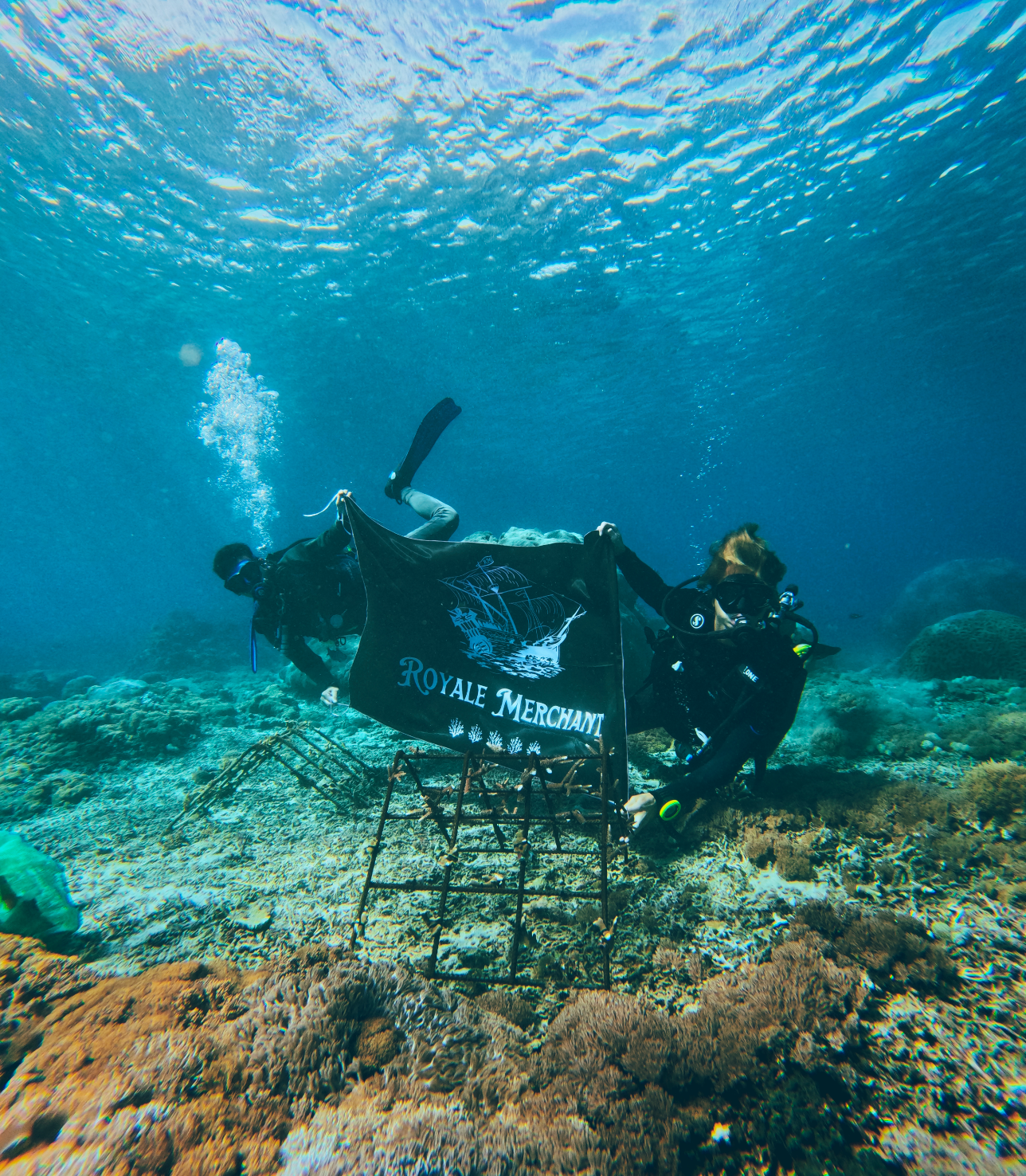
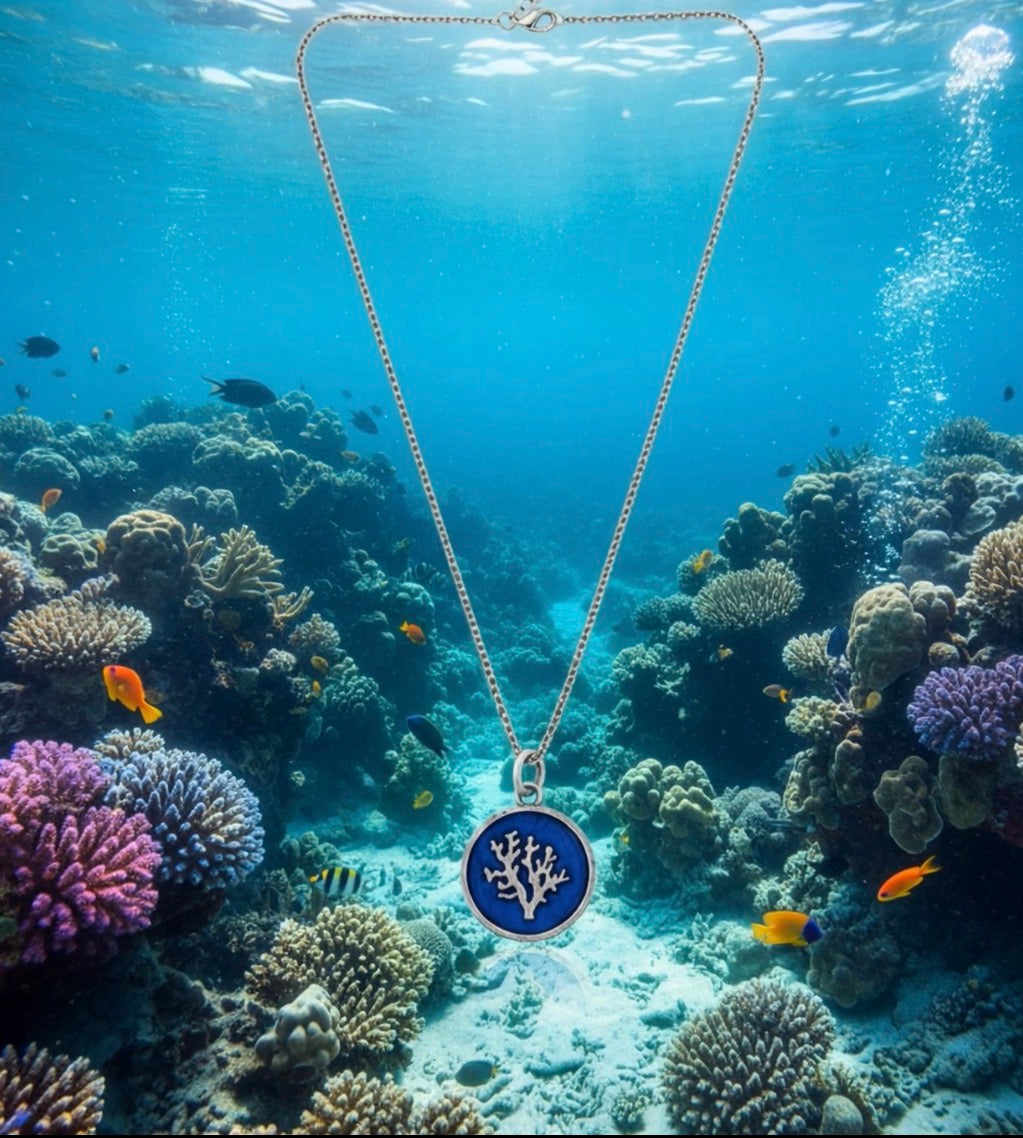
We have partnered with Blue Corner Dive & Marine Conservation to restore our worlds coral reefs. We have committed to plant one coral per necklace sold from our ocean related collection including the coral chain, shark tooth pendant and wave coin. Join us in the battle against climate change and let's restore the coral reefs together, one coral at a time. Follow the journey on our instagram: @royale.merchant
Benefits of Restoring Coral Reef:
Coral restoration and planting new corals offer a wide range of ecological, economic, and social benefits. These efforts help reverse the decline of coral reefs and support both marine biodiversity
Ecological Benefits
- Coral restoration increases biodiversity by providing habitat for thousands of marine species, including fish, invertebrates, and other reef-dependent organisms.
- Restored reefs help rebuild ecosystem complexity and resilience, supporting the recovery of ecological functions such as nutrient cycling and food web stability.
- Coral seeding and outplanting can accelerate the recovery of damaged reefs, especially after bleaching or storm events, by boosting coral genetic diversity.
Coastal Protection
- Healthy coral reefs act as natural barriers, reducing the impact of waves, storms, and tsunamis on coastal communities.
- Restoration can prevent coastal erosion and flooding, protecting infrastructure, property, and lives—especially in vulnerable regions.
Economic and Livelihood Benefits
- Coral restoration supports local economies by creating jobs in reef management, ecotourism, and fisheries.
- Restored reefs boost tourism and recreation, generating income for coastal communities through diving, snorkeling, and related activities.
- Healthy reefs sustain fisheries, providing food security for millions of people who depend on reef-based resources.
Long-Term Sustainability
- Coral restoration can help reefs adapt to changing environmental conditions, such as rising sea levels, by supporting natural growth and recovery processes.
- Coral restoration complements broader conservation strategies, including climate action and pollution reduction, to ensure the long-term survival of coral reefs.
Restoring Life Beneath the Waves
Coral reefs are often called the “rainforests of the sea,” and for good reason. They support an incredible variety of marine life, provide food and shelter for thousands of species, and protect coastlines from storms and erosion. But today, reefs around the world are under serious threat due to rising ocean temperatures, pollution, overfishing, and destructive coastal development. This is where coral restoration becomes essential—offering hope for rebuilding what has been lost and protecting ocean ecosystems for the future.
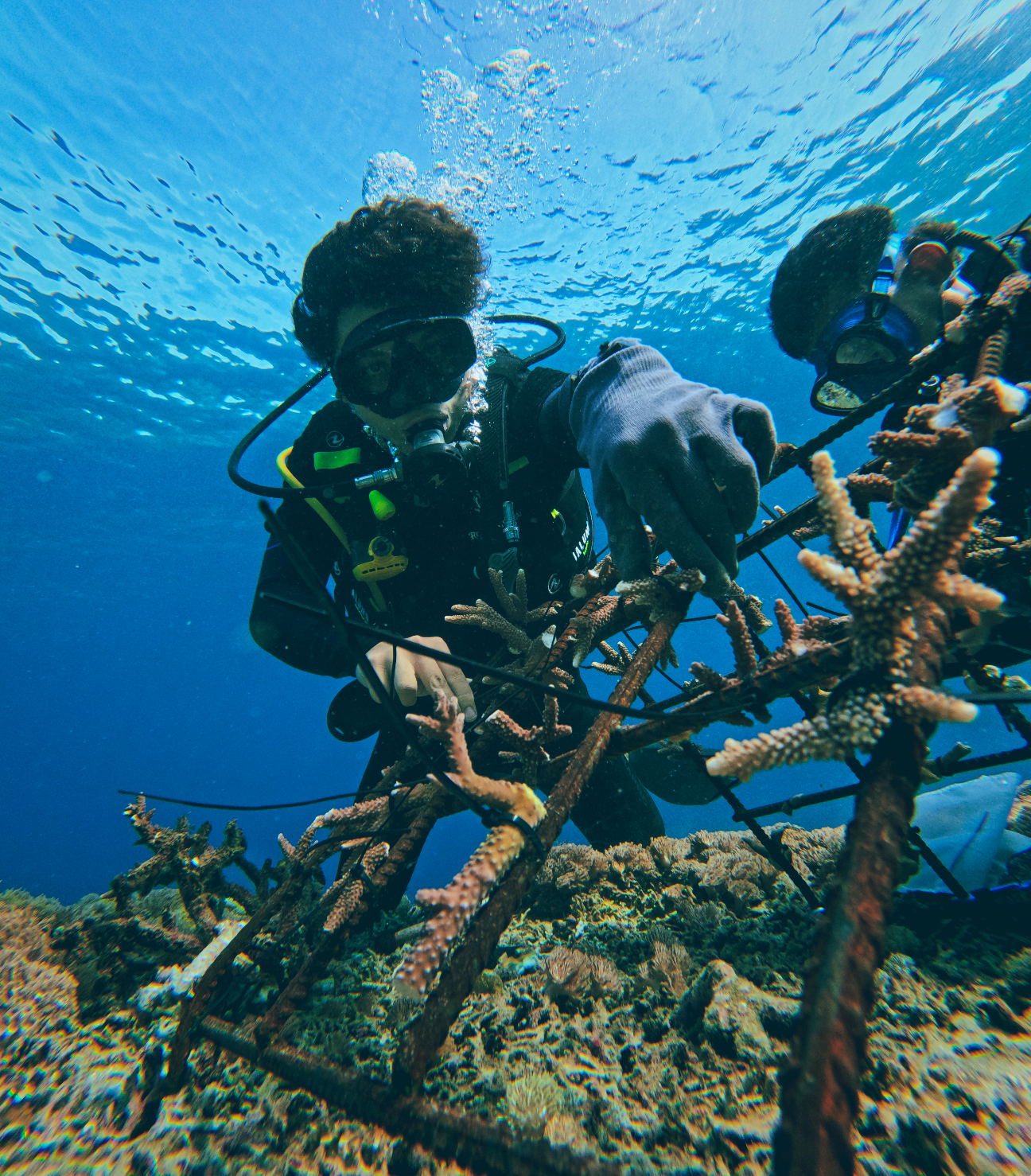
Coral restoration is a process that helps damaged reefs recover by growing healthy corals and replanting them in areas where reefs have declined. Many restoration programs begin by collecting small coral fragments from resilient coral colonies. These fragments are then placed in coral nurseries, which can be underwater structures or land-based tanks. Over time, the coral grows, and once it is strong enough, it is carefully transplanted onto degraded reef sections.
Healthy reefs act as natural homes for fish, crustaceans, and countless sea creatures. As corals return and reefs regain structure, marine life begins to repopulate, helping ecosystems become balanced again. This also supports coastal communities that rely on reef ecosystems for fishing and tourism.
In addition to supporting marine life, coral reefs play an important role in coastal protection. Reefs act like natural breakwaters, reducing wave energy and limiting damage from storms and strong ocean currents. Restoring reefs can therefore help protect shorelines, reduce erosion, and improve resilience against climate-related impacts.
While coral restoration is not a complete solution on its own, it is a powerful step toward reef recovery when combined with long-term conservation and climate action. Supporting coral restoration means supporting healthier oceans, stronger coastal communities, and a more sustainable future for generations to come.